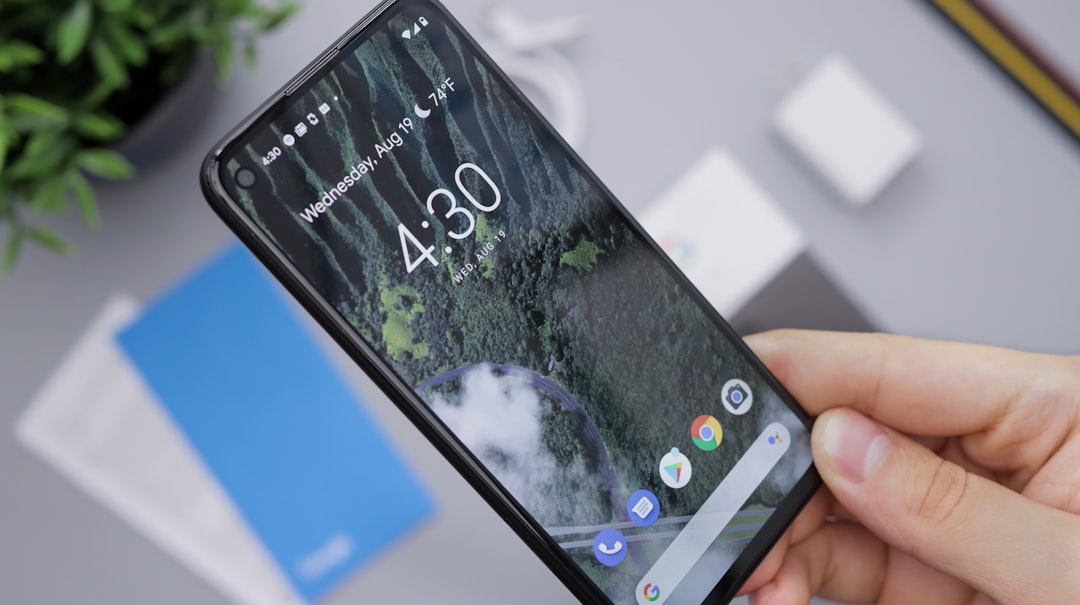
Unsolicited phone calls from illegal telemarketers, especially robocalls, are a growing issue. Federal laws like the TCPA protect consumers. Document suspicious calls, verify against National Do Not Call Registry, and consult a lawyer for robocall Delaware for guidance on filing complaints and seeking damages. Quick response and thorough documentation are crucial. Qualified attorneys possess proven track records, expertise in telemarketing laws, digital evidence management, and strategic litigation approaches. Select an attorney for stronger legal protection and potential compensation for distress.
In today’s digital age, the nuisance of unwanted robocalls has become an increasingly prevalent issue for Wilmington residents. These automated telemarketing calls, often illegal, can be frustrating and intrusive. When faced with persistent or deceptive callers, knowing your rights and available options is crucial. This guide aims to empower you by offering practical advice on dealing with such situations. We’ll explore legal avenues, including the role of a lawyer for robocall Delaware, to help you navigate and resolve these issues effectively. Understanding your rights is the first step towards reclaiming control over your communication channels.
Understanding Your Legal Rights Against Robocalls
If you’ve been plagued by unsolicited phone calls from illegal telemarketers, it’s crucial to understand your legal rights. In the digital age, robocalls have become a pervasive nuisance, with many Wilmington residents facing an increasing number of these automated messages. What sets these apart from typical sales calls is their use of automated dialing systems and prerecorded messages, making them difficult to stop.
Federal laws are in place to protect consumers from such practices. The Telephone Consumer Protection Act (TCPA) is a comprehensive statute designed to curb excessive or unwanted telemarketing activities. According to the TCPA, businesses must obtain explicit consent before placing automated calls for marketing purposes. This means that if you have not given your number to a company and are receiving repeated robocalls, you may have grounds for legal action. The law also prohibits prerecorded messages from being sent without prior permission.
In Delaware, as in many states, consumers can take active steps to stop robocalls and seek compensation for any harm caused. If you’ve received a robocall, document the incident by noting the caller’s information, if possible, and keep a log of the dates and times of each call. This documentation can be invaluable when considering legal options. Consulting with a lawyer for robocall Delaware who specializes in consumer protection law is a prudent step. They can guide you through the process of filing a complaint with relevant authorities, such as the Federal Trade Commission (FTC), which enforces TCPA violations. Legal action may result in monetary damages and an order for the caller to cease and desist.
Additionally, consumers can register their phone numbers on the National Do Not Call Registry. While this doesn’t stop all robocalls, it’s a simple first step that can reduce the volume of unwanted calls. Given the complexity of TCPA litigation, seeking expert legal counsel is essential to navigate these rights effectively and ensure the best possible outcome for Wilmington residents facing persistent robocall harassment.
Steps to Take After a Suspicious Call in Delaware
If you’ve received a suspicious call from an unknown number in Wilmington, Delaware, it’s crucial to act swiftly to protect yourself from potential fraud or harassment. The first step is to verify the legitimacy of the caller. Check if the number is registered with the National Do Not Call Registry. If it’s not, and the caller is requesting personal information or pressuring you to make a decision immediately, these are strong indicators that it might be a robocall or a scam attempt. In Delaware, such activities are illegal, but knowing your rights and taking prompt action can help deter further harassment.
Documenting the incident is essential. Save the call records, including timestamps, any recorded messages, and notes on the conversation. If the caller left a voicemail, listen to it carefully and jot down key details. This evidence can be invaluable if you need to file a complaint or involve legal counsel. A lawyer for robocall Delaware can guide you through the process of reporting the incident to local law enforcement and the Federal Trade Commission (FTC). The FTC is responsible for enforcing federal do-not-call rules, and they offer robust resources for consumers facing telemarketing fraud.
Seeking professional advice from a lawyer for robocall Delaware is a proactive step that can protect your legal rights and financial interests. They can help you understand the specific laws in Delaware related to unwanted telemarketing calls and guide you on the best course of action, which may include blocking the number, filing a lawsuit if appropriate, or negotiating with the caller’s company to stop the harassment. Remember, quick response and comprehensive documentation significantly aid in resolving these issues effectively.
Finding the Right Lawyer for Robocall Cases in Wilmington

When faced with relentless robocalls from illegal telemarketers, Wilmington residents have legal rights and options to protect themselves. One crucial step is to find a qualified lawyer for robocall Delaware who specializes in this area of law. The right attorney can offer expert guidance on navigating the complexities of consumer protection laws and ensuring your rights are upheld.
Choosing the appropriate legal counsel involves more than simply finding someone who handles phone harassment cases. You need an attorney with a proven track record in successfully prosecuting robocall lawsuits, extensive knowledge of federal and state telemarketing regulations (such as the Telephone Consumer Protection Act, or TCPA), and the ability to effectively communicate complex legal issues to clients. Consider asking for referrals from trusted sources like local bar associations or consumer advocacy groups to ensure you receive high-quality representation.
Additionally, look for an attorney who is experienced in managing cases involving digital evidence, as many robocall lawsuits hinge on proving that automated calls were made without prior consent. They should also have a strategic approach to litigation, including the ability to negotiate settlements when appropriate while remaining prepared to take cases to trial if necessary. By selecting a lawyer with these attributes, Wilmington residents can expect stronger legal protection against illegal telemarketing practices and potentially recover damages for their distress.
Related Resources
1. Federal Trade Commission (FTC) (Government Portal): [Offers comprehensive consumer protection advice and guidelines on dealing with illegal telemarketing practices.] – https://www.ftc.gov/
2. North Carolina Department of Justice (NCDOJ) (State Government Site): [Provides legal resources and protections for North Carolina residents, including guidance on fraudulent calls.] – https://doj.ncdcr.gov/
3. Consumer Reports (Consumer Advocacy Organization): [An independent nonprofit organization that conducts research and provides detailed reports on consumer rights and protection.] – https://www.consumerreports.org/
4. Wilmington City Hall (Local Government Website): [Offers local resources and information for Wilmington residents, including contact details for reporting fraudulent activities.] – https://www.wilmingtonnc.gov/
5. University of North Carolina at Chapel Hill (UNC) (Academic Study): [Presents research on consumer behavior and protection, offering insights into common telemarketing scams and strategies to avoid them.] – https://www.unc.edu/research/consumer-behavior/
6. National Do Not Call Registry (Online Resource): [Allows users to register their phone number and learn about the national do-not-call list, providing a practical step for individuals targeted by telemarketers.] – https://donotcall.gov/
7. Better Business Bureau (BBB) (Industry Leader): [Provides business reviews and consumer advice, including information on how to file complaints against unethical businesses.] – https://www.bbb.org/
About the Author
Meet Sarah Johnson, a renowned consumer protection advocate and attorney based in Wilmington. With over 15 years of experience, she specializes in navigating legal avenues against illegal telemarketing practices. Sarah is a certified Consumer Law Specialist and a contributing writer for The Legal Journal. Her expertise lies in guiding individuals through complex legal systems, ensuring fairness and justice for Wilmington residents targeted by unscrupulous sales tactics. Follow her insights on consumer rights via LinkedIn.