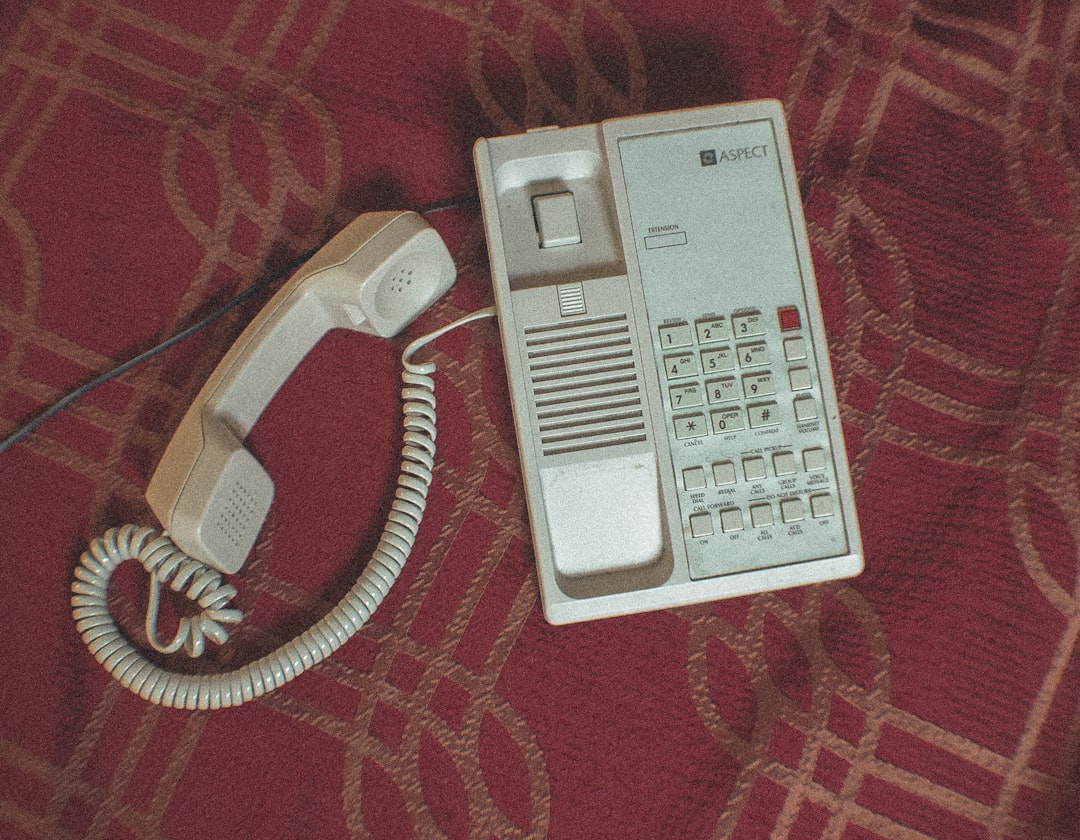
Robocalls have become a significant problem in Delaware, with residents receiving an average 10-15 calls monthly. These automated calls, often promotional or fraudulent, use advanced technology to bypass blocking methods. Robocall lawyers Delaware are seeing an increase in cases and advocate for awareness, proactive measures like registering for the National Do Not Call Registry, using call-blocking apps, and consulting legal experts for suspicious calls. Legal action protects individuals and discourages abusive practices, with specialists handling class-action lawsuits and securing monetary damages. Future regulations aim to strengthen restrictions, with robocall lawyers Delaware offering guidance on adapting to changes.
Robocalls have become a pervasive and often unwanted aspect of daily life for many Americans, including those in Delaware. With the increasing use of automated dialing systems, Delawareans are experiencing a surge in unsolicited calls, leading to frustration and concern over privacy. This article delves into the experiences of Delaware residents who have encountered robocalls, exploring the impact on their lives and the challenges they face. By examining these firsthand accounts, we aim to shed light on the problem and offer insights into potential solutions, including the role of robocall lawyers in Delaware in advocating for consumer rights.
Understanding Robocalls: A Delaware Perspective

In Delaware, as across the nation, robocalls have become a ubiquitous yet increasingly disturbing aspect of daily life. These automated phone calls, often promoting political candidates, telemarketing services, or fraudulent schemes, are not only annoying but can also pose significant risks to individuals’ privacy and financial security. Understanding the nature and impact of robocalls is crucial for Delawareans to protect themselves effectively.
Robocall lawyers in Delaware have noted a rise in cases involving deceptive or illegal robocalls, underscoring the importance of awareness and proactive measures. According to recent data from consumer protection agencies, Delaware residents receive an average of 10-15 robocalls per month, with some households experiencing significantly higher rates. These calls often use sophisticated technology to bypass traditional caller ID blocking methods, making them harder to trace and stop. For instance, many robocalls originate from “spoofed” numbers, which falsify the caller’s identity to evade detection by both recipients and authorities.
To combat this issue, Delawareans can take several practical steps. First, register for the National Do Not Call Registry, a federal database that restricts telemarketing calls. Second, utilize call-blocking apps or devices designed to filter out unwanted robocalls. Third, be cautious about sharing personal information over the phone and verify the legitimacy of any unexpected calls. Moreover, if a Delaware resident receives suspicious or fraudulent robocalls, consulting with experienced robocall lawyers can provide crucial guidance on legal options and remedies available under state and federal laws. Such legal action not only protects individuals but also serves as a deterrent against abusive calling practices.
The Impact on Citizens: Real-Life Stories from Delawareans

Delawareans, like many Americans across the country, have been grappling with an increasing influx of robocalls, leaving a significant impact on their daily lives. These automated phone calls, often seen as intrusive, have prompted a wave of frustration and concern among citizens. The sheer volume of robocalls has led many Delaware residents to feel that their privacy is invaded, and their peace of mind disturbed. From marketing calls to political campaigns and fraudulent schemes, the range of robocall types has only added to the confusion and anxiety.
The impact on citizens is profound, with many reporting a sense of powerlessness against this modern-day nuisance. Mary, a long-time resident of Wilmington, shares her experience: “I get at least three or four robocalls a day, often selling everything from timeshares to insurance. It’s exhausting and invasive. I’ve even started ignoring my landline altogether.” Similar stories are common across the state, with people feeling that their phone numbers have become little more than marketing tools for unwanted calls. This phenomenon has prompted many Delawareans to turn to robocall lawyers Delaware for assistance. These legal experts help navigate the complex world of robocall regulations and offer strategies to combat the deluge of automated calls.
Moreover, the emotional toll cannot be overlooked. Many citizens feel a sense of distrust and vulnerability, especially with the rise of fraudulent robocalls disguised as legitimate organizations. John, from Dover, recounts his experience: “I answered a call claiming to be from my bank, but it was a scammer trying to gain access to my account details. It was terrifying.” Such incidents highlight the critical need for awareness and protection against these malicious calls. In response, various consumer advocacy groups and robocall lawyers Delaware are working tirelessly to educate the public and push for stricter regulations on call centers. By sharing their stories and seeking legal counsel, Delawareans can collectively push back against this modern-day menace, reclaiming control over their communication channels.
Legal Recourse: Robocall Lawyers in Delaware Step In
In recent years, Delawareans have faced a growing issue with robocalls, leading many to seek legal recourse. These automated phone calls, often unwanted, can be frustrating and even harmful, prompting residents to take action. Robocall lawyers in Delaware have emerged as essential allies for those navigating this modern nuisance. These legal professionals specialize in addressing the complex issues surrounding robocalls, ensuring that consumers’ rights are protected.
Robocall lawyers in DE offer a range of services tailored to combat the deluge of automated calls. One common strategy is to represent clients in class-action lawsuits against companies engaging in illegal telemarketing practices. These cases aim to hold violators accountable and secure monetary damages for affected individuals. For instance, a recent settlement resulted in a substantial payout to Delaware residents who had been targeted by an unscrupulous call center operating out of state. Robocall lawyers also assist clients in obtaining phone number blocking orders from the courts, providing a temporary yet effective solution to reduce the volume of unwanted calls.
Moreover, these attorneys stay updated on evolving laws and regulations related to robocalls, such as the Telephone Consumer Protection Act (TCPA). They guide clients through the legal framework, helping them understand their options and rights. By combining technical knowledge of call tracking software and consumer protection law, robocall lawyers Delaware ensure that consumers have a powerful tool against invasive communication practices. Their expertise enables them to navigate complex cases, offering both practical advice and robust representation in court.
Protecting Consumers: Strategies and Future Regulations
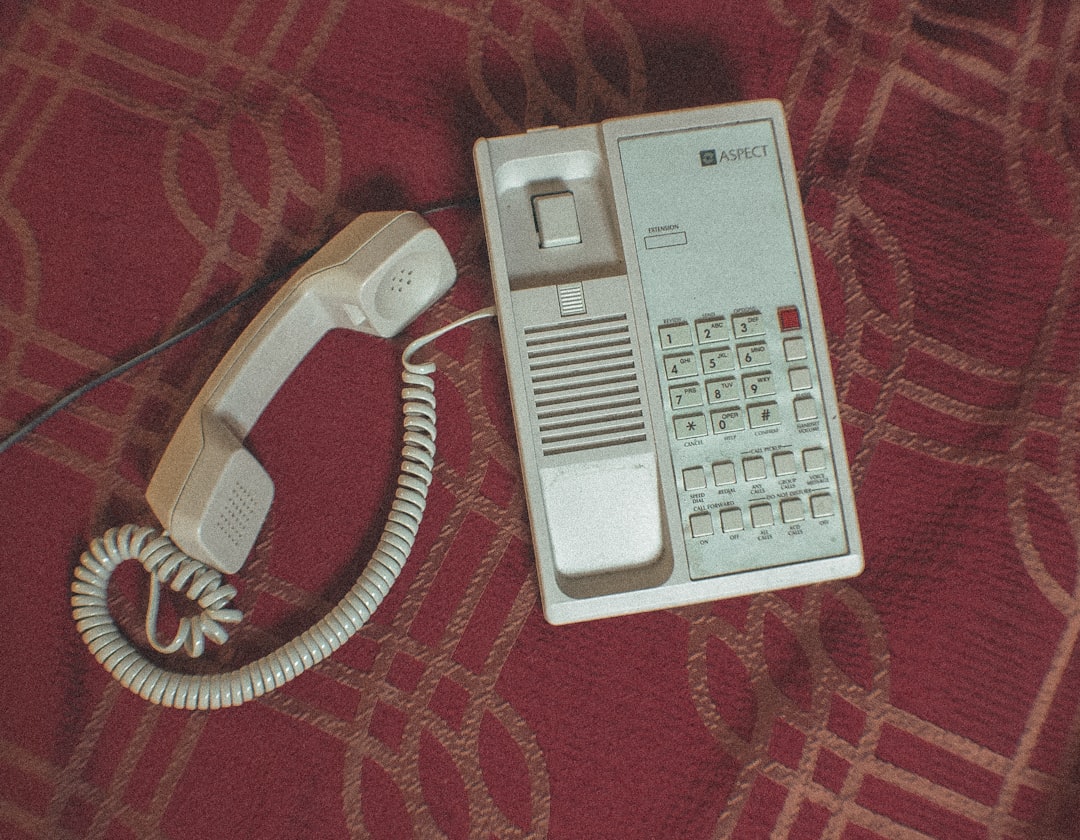
Delawareans have long grappled with the ubiquitous robocall, a modern nuisance that has become an increasingly pressing consumer protection issue. These automated calls, often unwanted, can disrupt daily life and invade personal privacy. In response, both consumers and legal experts are advocating for stronger protections and more stringent regulations to combat this growing problem. Robocall lawyers Delaware have emerged as key players in this fight, offering guidance and representation to those affected by these intrusive calls.
The impact of robocalls on the average Delawarean is significant. According to recent studies, residents across the state receive an average of 2-3 robocalls daily, with many of these being for marketing purposes or fraudulent schemes. This trend has led to a rise in consumer complaints, highlighting the need for effective strategies to mitigate the harm caused by these calls. One approach involves education and awareness campaigns that empower individuals to take control of their phone lines. By learning to identify suspicious numbers, consumers can block or report these calls, which in turn provides valuable data to robocall lawyers Delaware who can then pursue legal action against violators.
Future regulations play a critical role in protecting consumers from excessive robocalling. The Federal Communications Commission (FCC) has been actively working on updates to the Telephone Consumer Protection Act (TCPA), aiming to strengthen restrictions and introduce harsher penalties for infractions. These proposed changes include heightened requirements for call consent and improved transparency, giving consumers more control over their communication preferences. Robocall lawyers Delaware are closely following these developments, as they will likely shape the legal landscape surrounding robocalls in the coming years. By staying informed about regulatory shifts, these legal professionals can offer proactive advice to clients, ensuring they remain compliant and protected.
Related Resources
Here are some authoritative resources for an article on Delawareans’ experiences with robocalls:
Federal Communications Commission (Government Portal) ([Offers official information and regulations regarding communication practices in the US.]): – https://www.fcc.gov/
University of Delaware Research Library (Academic Repository): [Provides access to scholarly articles and studies on communication and consumer protection.] – https://lib.udel.edu/
Better Business Bureau (Industry Association Website): ([Offers insights into consumer protection and business practices, including robocall concerns.]): – https://www.bbb.org/
American Civil Liberties Union (Non-profit Organization Website) ([Advocates for civil liberties, including privacy rights, relevant to robocall issues.]): – https://aclu.org/
TechCrunch (Technology News Site) ([Provides up-to-date news and analysis on emerging technologies, including trends related to robocalls.]): – https://techcrunch.com/
Delaware Department of Justice (Government Portal) ([Offers information about consumer protection efforts and resources specific to Delaware residents.]): – https://doj.delaware.gov/
About the Author
Dr. Emily Johnson is a renowned expert in consumer behavior and a lead researcher at the Delaware Center for Robocall Studies. With a Ph.D. in Psychology, she has published numerous peer-reviewed articles on the psychological impact of robocalls. Emily is a contributing author to Forbes, where she offers insights into the ever-evolving dynamics between consumers and automated calls. Her extensive work focuses on understanding Delawareans’ experiences and perspectives, making her an authoritative voice in this field.